Understanding Cold Sores: Triggers, Symptoms, and Proven Treatment Options
Cold sores are a common and often frustrating skin condition that can cause discomfort and inconvenience. While they usually clear up on their own, knowing how to manage and treat cold sores effectively can help you recover faster and reduce the risk of spreading the infection to others.
In this article, we’ll explore what causes cold sores, how to spot early signs, the best available cold sore treatments, and when to seek medical help.
What Is a Cold Sore?
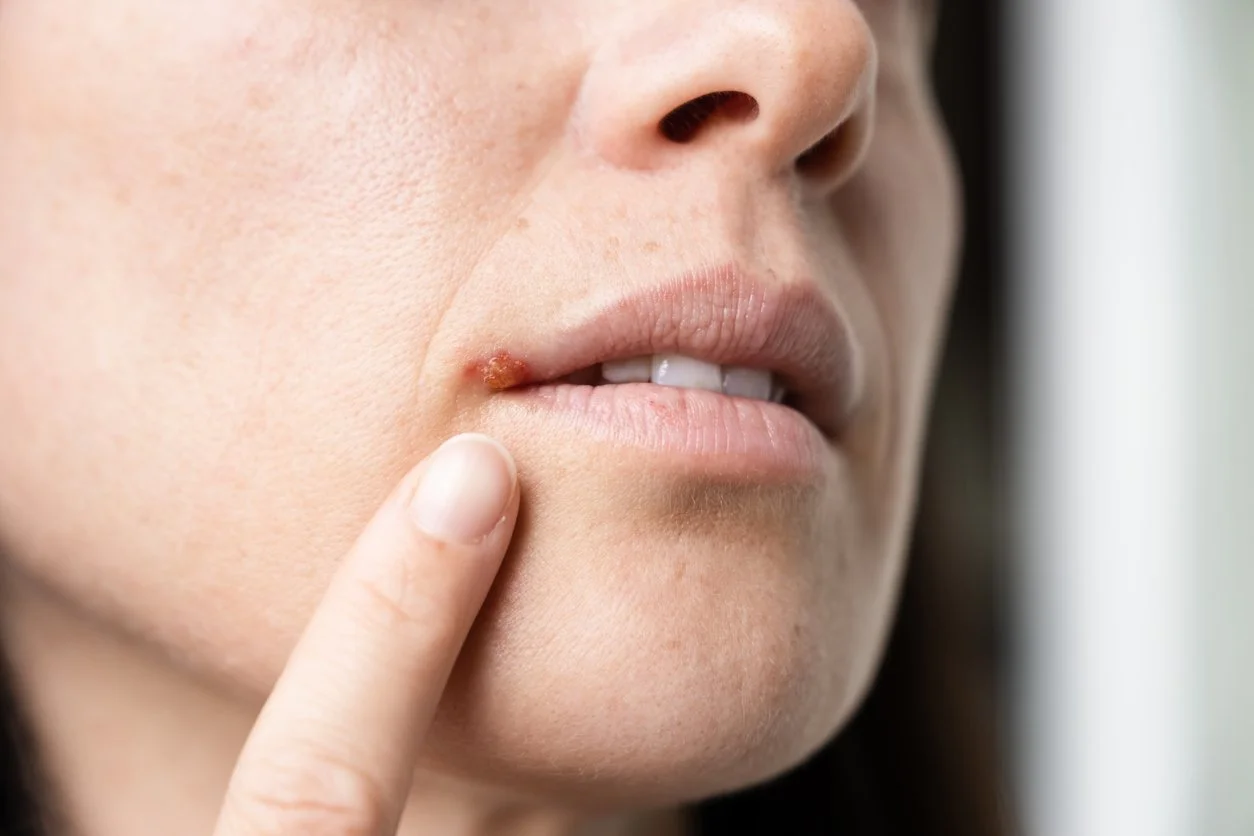
A cold sore is a small fluid-filled blister that typically appears around the lips or mouth. Cold sores are caused by the herpes simplex virus (HSV-1), which is extremely common — in fact, it’s estimated that more than half of adults carry the virus, even if they’ve never had an outbreak.
Once you’ve been infected with HSV-1, the virus remains in your body for life. It can lie dormant for long periods and reactivate during times of stress, illness, or exposure to specific triggers. This is why some people experience recurring cold sores, while others may only have one outbreak in their lifetime.

Common Causes and Triggers
Although the virus itself causes cold sores, certain factors can trigger an outbreak. These include:
Stress and fatigue – Physical or emotional stress weakens your immune system, making it easier for the virus to reactivate.
Sun exposure – Ultraviolet (UV) rays can trigger cold sores in some people, especially on the lips.
Colds and fever – Illnesses that affect your immune system can prompt a flare-up (hence the name “cold sore”).
Hormonal changes – Fluctuations during menstruation or pregnancy can trigger outbreaks.
Injury to the lips or mouth – Even minor damage can awaken the dormant virus.
Recognising the Symptoms of a Cold Sore
Cold sores usually develop in a consistent pattern. Knowing what to look out for makes it easier to begin treatment at the right time, which can help ease discomfort and speed up healing.
Tingling or itching (Day 1) – The first sign is often a burning or tingling sensation around the lips or mouth. This stage is the best time to begin treatment.
Blister stage (Days 2–3) – Small, fluid-filled blisters appear, usually clustered on or around the lips.
Weeping stage (Days 4–5) – The blisters may burst, releasing fluid that contains the virus. This stage is highly contagious.
Crusting (Days 5–8) – The sores dry out and form a yellowish crust.
Healing (Days 8–10) – The scabs fall off and the skin heals, often without scarring.
Cold Sore Treatment Options
Although the herpes simplex virus (HSV-1) can’t be completely removed from the body, there are effective ways to ease symptoms and help cold sores heal more quickly.
1. Antiviral Medication
The most reliable treatment for a cold sore is antiviral medicine, available as either tablets or topical creams. These treatments work by slowing down the virus’s ability to reproduce, which helps shorten the length of an outbreak. For best results, it’s important to begin treatment as soon as you notice the first warning signs — such as a tingling or burning sensation around the lips. Acting early often means the sore won’t fully develop, or if it does, it tends to clear up faster.
Our doctors will review your submission and, if appropriate, issue a prescription which can be sent directly to your preferred pharmacy.
2. Over-the-Counter (OTC) Creams
Pharmacy creams containing ingredients like docosanol or benzyl alcohol can help relieve pain and dryness. These may also shorten healing time when applied early.
3. Home Remedies
For mild cases, some people find relief using home treatments such as:
Apply a cold compress to reduce swelling and redness.
Keeping lips moisturised with petroleum jelly or lip balm.
Avoid acidic or salty foods that may irritate the sore.
Maintaining good hygiene and avoiding touching the sore.
While home remedies won’t eliminate the virus, they can make symptoms easier to manage.
Prescription Cold Sore Treatment
Get prescription treatment quickly and conveniently through GP24’s online prescription service — no need for a visit to your GP.
Preventing Future Cold Sore Outbreaks
Once you’ve been exposed to the HSV-1 virus, it stays in your system for life — but that doesn’t mean outbreaks are unavoidable. By taking care of your overall health and being mindful of triggers, you can often lessen how often cold sores appear and how severe they become.
Here are a few simple ways to help keep flare-ups at bay:
Shield your lips from the sun. Use a lip balm with built-in UV protection, especially during summer or ski holidays when sun exposure is higher.
Find healthy ways to manage stress. Regular exercise, deep breathing, or mindfulness techniques can make a big difference.
Prioritise rest. A good night’s sleep strengthens your immune system and helps your body keep the virus under control.
Avoid sharing personal items. During an outbreak, don’t share lip products, cutlery, razors, or towels.
Practice good hygiene. Wash your hands often and avoid touching the affected area, as this can spread the virus.
Identifying your personal triggers can also help you take preventive steps before an outbreak starts.
When to See a Doctor
Most cold sores heal without medical treatment, but you should contact a healthcare professional if:
Your cold sore is very painful or doesn’t heal after 10 days.
You have frequent outbreaks (more than six per year).
The infection spreads to your eyes or genitals.
You have a weakened immune system due to illness or medication.
You’re unsure if it’s actually a cold sore (other mouth conditions can look similar).
Use our online doctor service in Ireland if you’d like to speak to a Doctor directly about suitable treatment for cold sores.
Living with Cold Sores
Cold sores are common and manageable, but they can feel frustrating when they appear at the worst times. Understanding your triggers, starting treatment early, and maintaining good hygiene can help you regain control and confidence.
If you experience frequent or severe outbreaks, medical treatment is available — and you don’t have to wait for a doctor’s appointment.
Get Fast, Effective Cold Sore Treatment with GP24
If you’re struggling with recurring cold sores or want to speed up your recovery, GP24 can help.
At GP24, we can issue prescriptions for proven cold sore treatments such as antiviral tablets or creams.
Get your cold sore prescription sent to your pharmacy today with GP24.
Newsletter:
Book a GP appointment:



instagram Latest: