Rosacea Explained: Symptoms, Causes, and Effective Treatment Options
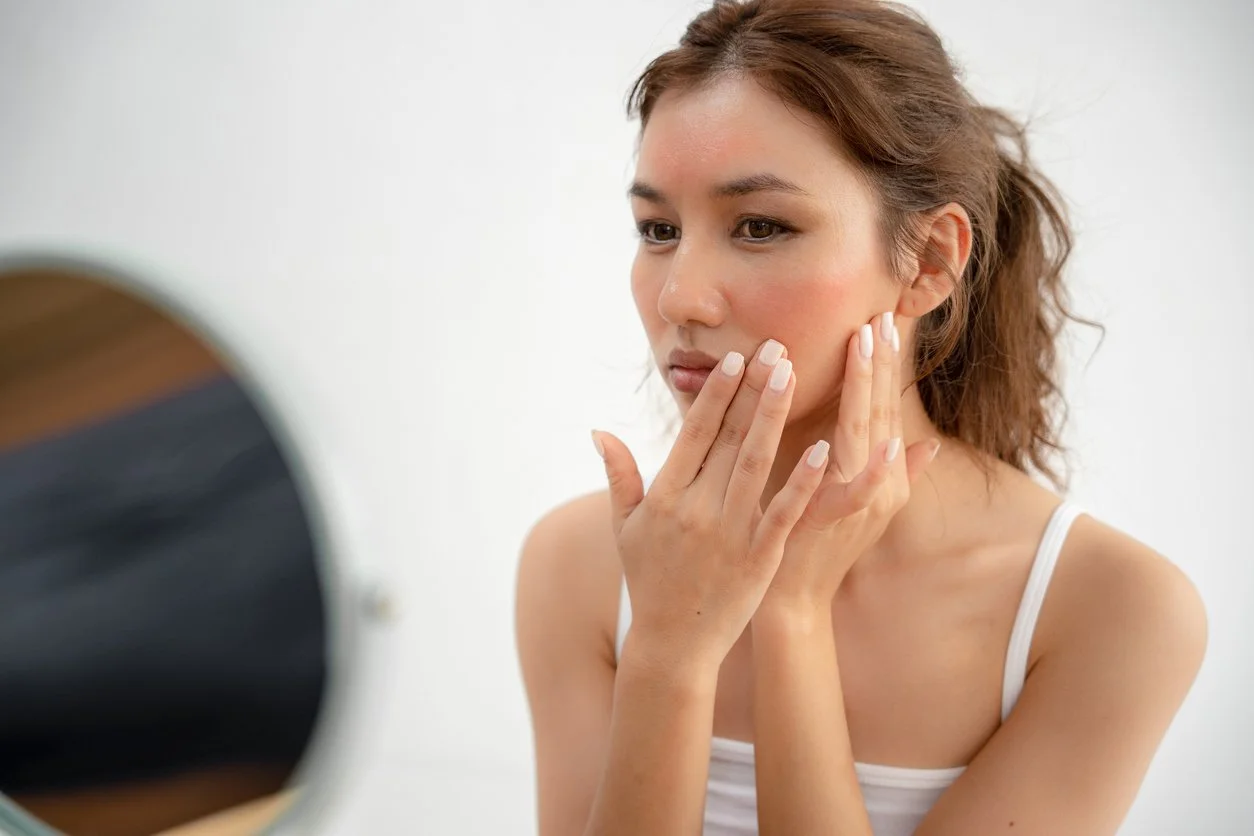
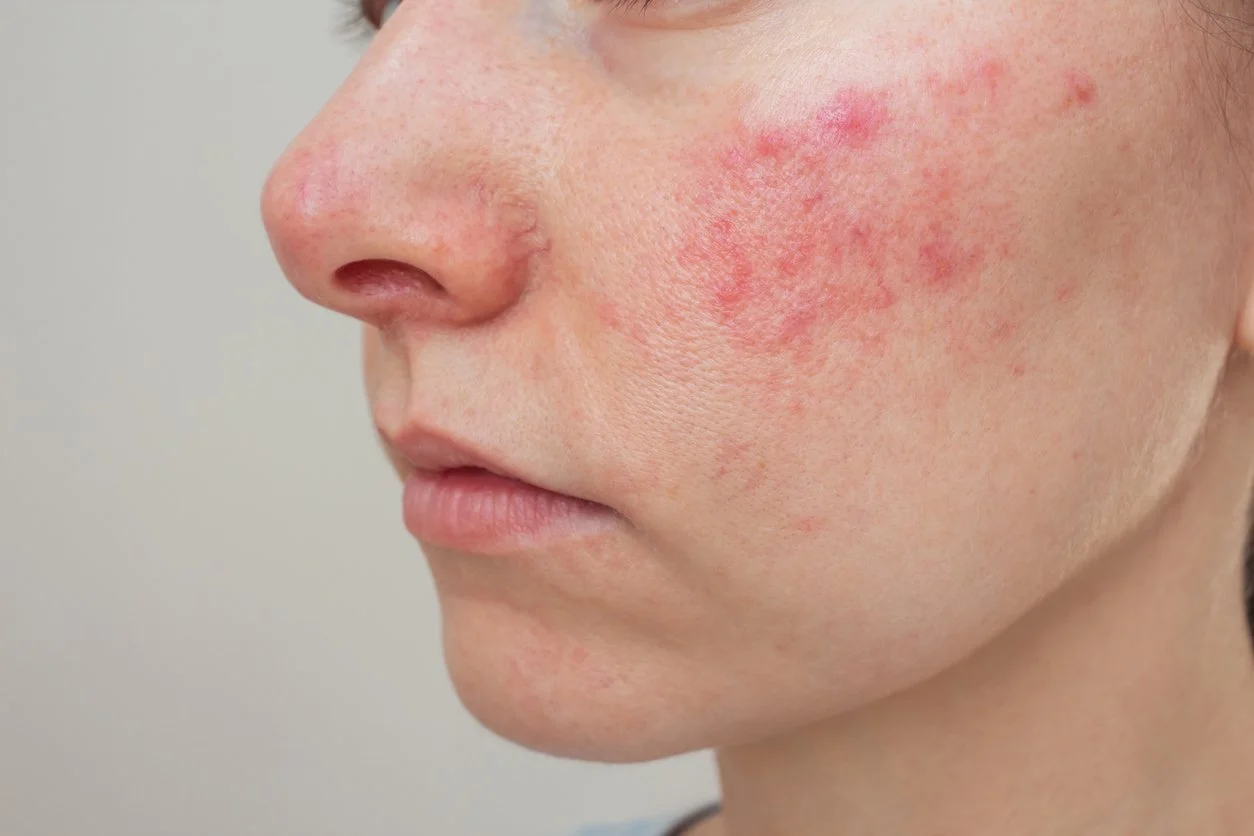
Rosacea is a common skin condition that leads to facial redness, visible veins, and sometimes small, acne-like bumps. It tends to affect the central areas of the face — the cheeks, nose, chin, and forehead — and can vary in intensity over time.
While rosacea is a long-term condition with no definitive cure, early diagnosis and effective treatment can make a significant difference in controlling flare-ups.
What Is Rosacea?
Rosacea is a long-term skin inflammation that mainly affects the face. It often starts with occasional flushing or blushing that gradually becomes more persistent. Over time, small blood vessels may become visible, and the skin can feel warm, sensitive, or develop acne-like bumps.
Although it’s not harmful, rosacea can have a tangible impact on confidence and quality of life — which is why recognising the early signs and seeking treatment matters.
What Are the First Signs of Rosacea?
Rosacea usually begins subtly. Early signs include:
Facial redness or flushing that lasts longer than normal
Visible small veins on the cheeks or nose
Burning or stinging sensations on the skin
Bumps or spots that resemble acne but don’t have blackheads
Sensitive or dry skin that reacts easily to skincare products
If you notice these rosacea symptoms, starting treatment early can help stop the condition from progressing.
Who Is Most Prone to Rosacea?
Rosacea can affect anyone, but it’s most common among:
Adults aged 30 to 60
Individuals with fair complexions who are prone to facial redness
Women (though men often experience more severe symptoms)
Individuals with a family history of rosacea
Certain environmental and lifestyle factors — such as sun exposure, alcohol, and stress — can also increase the likelihood of developing the condition.
Five Common Symptoms of Rosacea
The symptoms of rosacea can vary from person to person, but the most common include:
Persistent facial redness
Visible blood vessels beneath the skin
Small red bumps or pustules on the face
Burning, itching, or stinging sensations
Thickened skin, particularly around the nose, in advanced cases
In some cases, rosacea can affect the eyes — a form known as ocular rosacea — leading to dryness, redness, and irritation.
What Causes Rosacea?
Although the exact reason rosacea occurs isn’t known, it’s thought to result from a combination of genetics, immune responses, and heightened blood vessel sensitivity.
Small skin mites (Demodex folliculorum) and certain bacteria have also been linked to triggering inflammation in some people. Environmental triggers like sunlight, hot drinks, or spicy foods can further aggravate the condition.
What Is the Number One Trigger for Rosacea?
The most common trigger for rosacea flare-ups is sun exposure. UV rays can damage the skin and cause the blood vessels to expand, leading to redness and irritation.
Other common triggers include:
Hot or spicy foods
Alcohol (especially red wine)
Emotional stress
Hot weather or wind
Harsh skincare products
Keeping a note of what triggers your flare-ups can help you manage symptoms more effectively.
What Is the Fastest Way to Get Rid of Rosacea?
There’s no instant cure for rosacea, but flare-ups can be controlled quickly with the right approach. The best way to manage symptoms is through a combination of prescription medication, trigger management, and gentle skincare.
Creams or gels containing ingredients like metronidazole or azelaic acid are often used to ease redness and inflammation. For more persistent or severe cases, a doctor might recommend oral medication such as doxycycline. Alongside treatment, using daily sun protection (SPF 30 or higher) and steering clear of known triggers can help the skin recover and stay calmer for longer.
Prescription Rosacea Treatment
Get prescription treatment quickly and conveniently through GP24’s online prescription service — no need for a visit to your GP.
How Is Rosacea Treated?
Managing rosacea effectively usually involves a combination of strategies, depending on the severity of symptoms and individual skin sensitivity.
1. Medications
Doctors often prescribe topical treatments, such as gels or creams, to help calm redness and reduce inflammation. For more persistent or severe cases, oral medications may be recommended to better control flare-ups.
At GP24, you can request your rosacea prescription online. Once our doctors review your request, your prescription will be sent directly to your chosen pharmacy - no in-person visit required. Alternatively, use our online doctor service if you’d like to speak to a Doctor directly
2. Gentle Skincare
A simple, fragrance-free skincare routine can make a significant difference. Choose mild cleansers, avoid harsh scrubs or alcohol-based products, and protect your skin from the sun with daily SPF, since UV exposure is one of the main triggers of rosacea.
3. Light or Laser Therapies
When redness or visible blood vessels are persistent, dermatologists may suggest laser therapy or intense pulsed light (IPL) treatments. These procedures target dilated blood vessels and help create a more even skin tone.
4. Lifestyle Adjustments
Small changes in daily habits can also help prevent flare-ups. Limiting alcohol, managing stress, avoiding extreme temperatures, and protecting the skin from harsh environmental factors can all contribute to calmer, healthier skin.
Does Rosacea Ever Go Away?
Rosacea is a chronic condition, meaning it can come and go over time. While it may not disappear completely, many people achieve long-lasting control by identifying their triggers and sticking to a consistent treatment plan. With proper care, it’s entirely possible to maintain healthy-looking skin and prevent severe flare-ups.
Managing Rosacea with GP24
If you’re struggling with redness, irritation, or recurring breakouts that could be rosacea, it’s essential to get professional advice. At GP24, our online doctor service makes it easy to access effective rosacea treatment from home.
You can complete a short questionnaire online, and if suitable, one of our Irish-registered doctors can issue a repeat prescription for rosacea treatment to help you manage symptoms and restore skin comfort.
Newsletter:
Book a GP appointment:



instagram Latest: