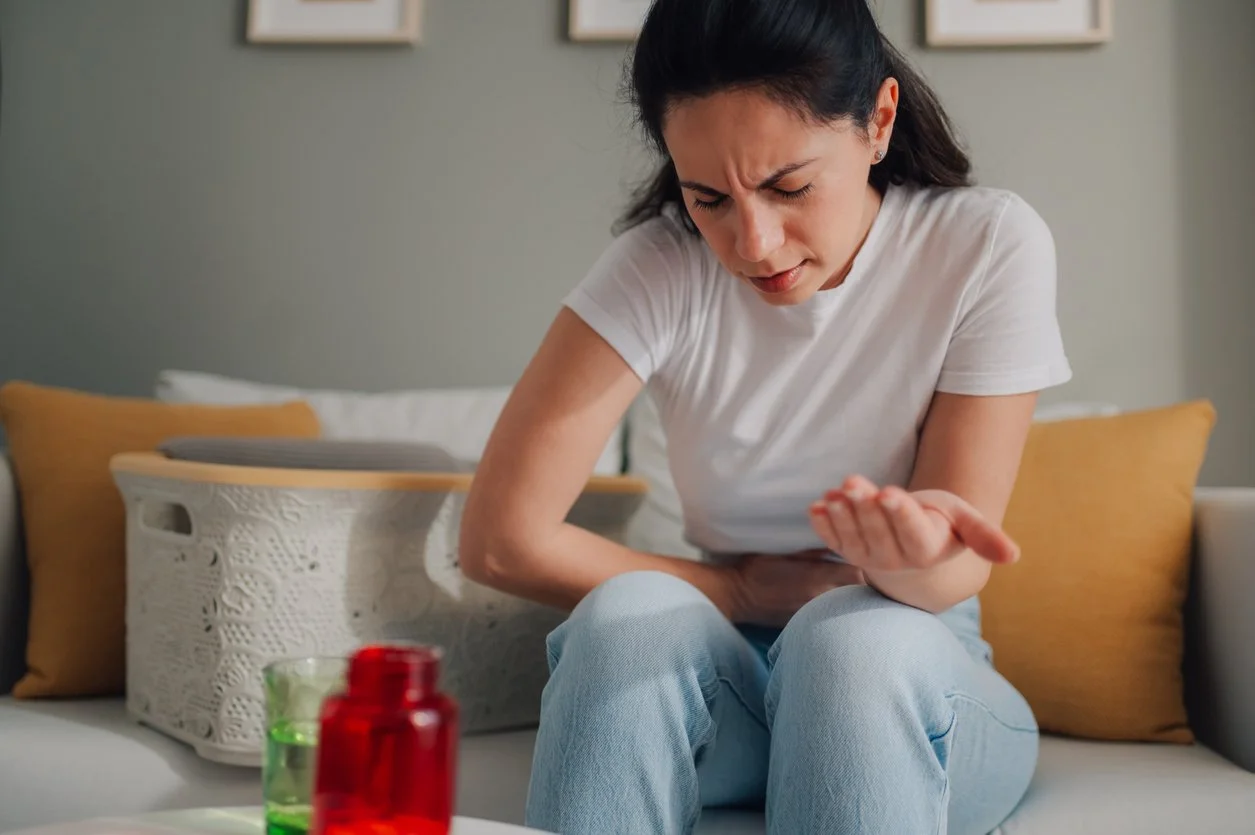
Bacterial Vaginosis: Symptoms, Causes, and How to Treat It
Bacterial Vaginosis (BV) is one of the most common vaginal conditions affecting women, yet many people are unsure what it is, why it happens, and how to manage it. Although it isn’t considered a sexually transmitted infection, it can still lead to uncomfortable symptoms and may need treatment.
In this article, we explain bacterial vaginosis symptoms, causes, and the most effective options for bacterial vaginosis treatment, including when to seek medical advice.
What Is Bacterial Vaginosis?
Bacterial Vaginosis occurs when the balance of the natural bacteria in the vagina is disrupted. Normally, “good” bacteria (lactobacilli) help maintain a healthy environment. When these are reduced, and other bacteria overgrow, BV can develop.
It is a very common condition and can affect women of all ages, particularly those who are sexually active.

Common Bacterial Vaginosis Symptoms
Not everyone with BV will experience symptoms, but when they do occur, they can include:
Unusual vaginal discharge
A thin, greyish-white bacterial vaginosis discharge
A strong, fishy odour (often more noticeable after sex)
Mild irritation or discomfort
Unlike other vaginal infections, BV does not usually cause itching or soreness, which can help distinguish it from conditions like thrush.
What Causes Bacterial Vaginosis?
The exact cause of BV is not always clear, but several factors can increase the risk of developing it:
Changes in vaginal bacteria balance
Having a new sexual partner or multiple partners
Using scented soaps or vaginal hygiene products
Douching
Smoking
It’s important to note that BV is not caused by poor hygiene, although certain habits can disrupt the natural balance of bacteria.
Why Treatment Is Important
While BV can sometimes clear on its own, bacterial vaginosis treatment is often recommended - especially if symptoms are present.
If left untreated, BV can increase the risk of:
Recurring infections
Pregnancy complications
Increased susceptibility to other infections
Seeking advice early can help prevent these issues and relieve symptoms more quickly.
How to Treat Bacterial Vaginosis
If you’re wondering how to treat bacterial vaginosis, several effective options are available.
1. Medical Treatment
In most cases, treatment involves a course of prescription antibiotics. These can come as tablets or as a gel or cream that’s applied directly.
Treatment is usually straightforward and works well for most people, although it’s not uncommon for BV to come back.
An online doctor can assess your symptoms and recommend the most appropriate treatment for bacterial vaginosis based on your situation.
2. Bacterial Vaginosis Home Treatment
Some people look for home treatment options for Bacterial Vaginosis to help manage symptoms or reduce the chance of it coming back. While these approaches are not a substitute for medical treatment, they may help support vaginal health:
Try to avoid using scented soaps or intimate hygiene products
Avoid washing inside the vagina (sometimes referred to as douching), as this can disrupt the natural balance of bacteria
Choose breathable fabrics, such as cotton, for underwear
Maintain regular, gentle hygiene practices
Some people consider probiotics, but it’s best to speak to a healthcare professional first
It’s worth noting that not all home remedies are supported by strong evidence. If your symptoms don’t improve, it’s best to seek medical advice.
3. Lifestyle and Prevention
Lowering the chances of BV coming back often comes down to a few simple habits:
Try to avoid perfumed products in the genital area
Practise safer sex
Avoid over-washing or anything that may cause irritation
Consider stopping smoking, if relevant
These small changes can help support a healthier balance of bacteria.
When Should You See a Doctor?
You should consider speaking to a doctor if:
You have symptoms of BV for the first time
Symptoms keep coming back
You are unsure whether it is BV or another condition
You are pregnant and experiencing symptoms
Because BV can be similar to other infections, a proper assessment is important to ensure the right treatment.
Frequently Asked Questions
What does Bacterial Vaginosis discharge look like?
BV discharge is typically thin, grey or white and may have a noticeable fishy smell. This is one of the most recognisable symptoms of bacterial vaginosis.
Can Bacterial Vaginosis go away on its own?
In some cases, it can resolve without treatment. However, if symptoms are present or persistent, medical treatment is usually recommended.
Is Bacterial Vaginosis sexually transmitted?
BV is not officially classified as an STI, but it is linked to sexual activity and changes in vaginal bacteria.
How long does Bacterial Vaginosis last?
With treatment, symptoms often improve within a few days. Without treatment, it can persist or recur.
Can I treat Bacterial Vaginosis at home?
There are home treatment approaches for Bacterial Vaginosis that may help support vaginal health, but they should not replace prescribed treatment when needed.
how can GP24 help?
At GP24, we provide convenient and confidential online doctor consultations, making it easy to access advice and treatment for conditions such as bacterial vaginosis.
If you require a repeat prescription for bacterial vaginosis, GP24 provide online prescriptions which are issued and sent directly to a pharmacy of your choice for just €25.
If you would like to speak with a doctor for further advice, book an online consultation where our doctors can:
Review your symptoms
Advise whether treatment for bacterial vaginosis is appropriate
Provide guidance tailored to your individual needs
Conclusion
Bacterial Vaginosis is a common and manageable condition but recognising the symptoms early and understanding your treatment options is key.
If you are experiencing symptoms of bacterial vaginosis, getting timely advice can help you feel more comfortable and prevent recurrence. With access to online doctor services like GP24, support and treatment are easily accessible when you need them.
Clinical review
This page was reviewed by Dr Ahmad, MB BCH BAO, Medical Director at GP24.
Irish Medical Council Reg. No. 019413
Last reviewed: 10-01-2026.

Newsletter:
Book a GP appointment:



instagram Latest: