Hair Loss in Men: Causes, Treatments, and What Actually Helps
Hair loss is a common concern for men and can affect confidence, self-image, and overall well-being. While it’s often seen as a natural part of ageing, there are several underlying causes - and importantly, a range of treatment options available.
In this guide, we explore the main causes of hair loss in men, what helps, and when to seek professional advice from an online doctor.
Understanding hair loss in men
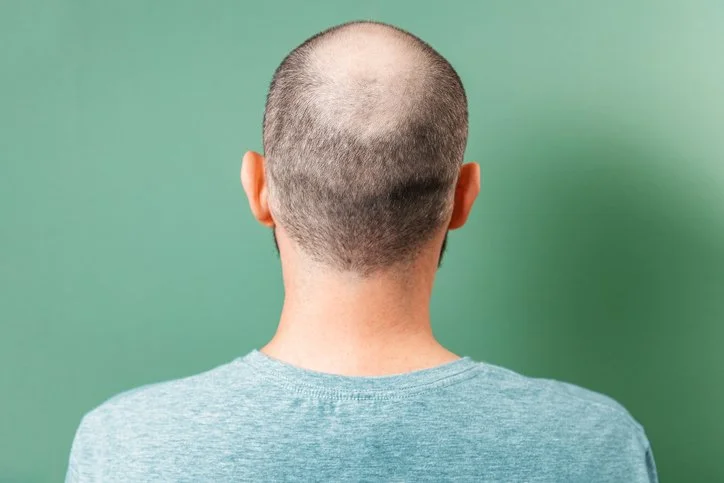
Hair loss, also known as male pattern baldness (androgenetic alopecia), affects a large proportion of men at some stage in life. It can begin as early as the late teens or early twenties and typically progresses over time.
The condition usually follows a recognisable pattern:
• Receding hairline
• Thinning at the crown
• Gradual loss of hair density
However, not all hair loss is the same - and identifying the cause is key to choosing the right approach.

Common causes of hair loss in men
1. Genetics (Male Pattern Baldness)
For many men, hair loss is largely down to genetics. Male pattern baldness is inherited and linked to how your body responds to the hormone dihydrotestosterone (DHT).
Over time, DHT can cause the hair follicles to gradually shrink. As this happens, hair may start to grow back thinner and weaker, until eventually the follicle stops producing hair altogether.
2. Hormonal Changes
Hormones can also play a role in hair thinning or increased shedding. While DHT is a key factor, other hormonal changes—such as those related to thyroid function—can affect the normal hair growth cycle.
When hormone levels are out of balance, it can disrupt hair growth and shedding, sometimes leading to noticeable thinning.
3. Stress and Lifestyle Factors
Physical or emotional stress can trigger telogen effluvium, a condition in which hair prematurely enters the shedding phase.
Common triggers include:
Illness or surgery
Significant weight loss
Emotional stress
Poor sleep
This type of hair loss is often temporary, but it can still be distressing.
4. Nutritional Deficiencies
Your diet can have a noticeable impact on your hair. If you’re not getting enough key nutrients—such as iron, zinc, vitamin D or adequate protein—it can affect how well your hair grows and maintains its strength.
In some cases, low levels of these nutrients may lead to increased shedding or hair that feels thinner than usual. Addressing any deficiencies can help support healthier hair over time.
Check out Spectrum Nutrition for further nutritional support and guidance.
5. Medical Conditions and Medications
Hair loss can sometimes be linked to an underlying medical issue or a side effect of treatment. For example, conditions affecting the thyroid, certain autoimmune disorders, or scalp infections can all play a role.
Some medications may also contribute to hair thinning in certain individuals. If you notice a sudden change in your hair or more shedding than usual, it’s worth discussing it with a doctor to rule out any underlying cause.
What helps with hair loss in men?
The right treatment depends on the cause. In many cases, early intervention leads to better outcomes.
1. Medical Treatments
There are clinically approved options available that could be considered. These treatments typically work by:
Reducing DHT levels
Stimulating hair growth
Slowing further hair loss
Our online doctor can assess whether medication is appropriate based on your medical history and symptoms.
2. Lifestyle Improvements
Simple changes can support hair health:
Eating a balanced, nutrient-rich diet
Managing stress levels
Getting enough sleep
Avoiding excessive heat or harsh hair treatments
While lifestyle changes alone may not reverse genetic hair loss, they can improve overall hair condition.
3. Early Intervention
Hair loss treatments are generally more effective when started early. If you notice thinning or a receding hairline, seeking advice sooner rather than later can make a significant difference.
4. Professional Medical Advice
Understanding the cause of your hair loss is essential before starting any treatment. An online GP consultation offers a convenient way to:
Discuss your symptoms
Identify possible causes
Explore suitable treatment options
When should you speak to a doctor?
You should consider speaking to a doctor if:
Hair loss is sudden or patchy
You are experiencing itching, redness, or scalp discomfort
Hair loss is affecting your confidence or wellbeing
You are unsure about the cause
Even gradual hair loss can benefit from early assessment and guidance.
frequently asked questions
Is hair loss in men always permanent?
Not necessarily. Male pattern baldness tends to be long-term, but other types of hair loss - particularly those linked to stress or illness- can be temporary. In those cases, hair often starts to return once the underlying issue settles.
Can hair grow back once it starts thinning?
It can, depending on what’s causing it. If the hair follicles are still active, there’s a good chance of slowing things down or improving thickness with the right approach. Acting early generally gives better results.
Are there effective treatments available?
There are treatment options that have been shown to help in certain cases. A doctor can advise whether medication for hair loss is suitable, based on your symptoms and medical history.
Does stress really cause hair loss?
It can. Periods of high stress sometimes push more hair into the shedding phase than usual. This type of hair loss is often temporary, and things typically improve once stress levels are under control.
Do I need a diagnosis before starting treatment?
It’s a good idea. Hair loss isn’t always caused by the same thing, so getting proper advice helps make sure you’re taking the right approach rather than guessing.
how gP24 can help
At GP24, we offer convenient, confidential online doctor consultations, so you can discuss concerns such as hair loss from the comfort of your home.
Our experienced doctors can:
Assess your symptoms
Provide medical advice tailored to you
Recommend appropriate next steps or treatments if needed
Book an online consultation today and get expert advice on managing hair loss.
Conclusion
Hair loss in men is common, but that doesn’t mean it has to be ignored. Understanding the underlying cause is the first step toward finding the right solution.
Hair loss can happen for a range of reasons, from genetics to stress or underlying health issues. Speaking with a doctor can help you understand what’s causing it and talk through the options that may suit you best.
Clinical review
This page was reviewed by Dr Ahmad, MB BCH BAO, Medical Director at GP24.
Irish Medical Council Reg. No. 019413
Last reviewed: 10-01-2026.

Newsletter:
Book a GP appointment:



instagram Latest: