
Fungal Nail Infection: Symptoms, Causes & Treatment
Fungal nail infections are a common condition that affect the fingernails or toenails, most often the toenails. The infection can cause the nail to become discoloured, thickened or brittle over time.
The condition usually develops gradually and may not cause pain at first, but it can become uncomfortable or more difficult to treat if it worsens. Fungal nail infections are not usually serious, but they can spread if left untreated.
Treatment can help clear the infection, improve the appearance of the nail and prevent it from spreading to other nails.
This guide explains the common symptoms, causes and treatments for fungal nail infections, and when it may be helpful to speak to a doctor.
Common Symptoms of A Fungal Nail Infection
Symptoms often develop slowly and may affect part or all of the nail.
Common symptoms include:
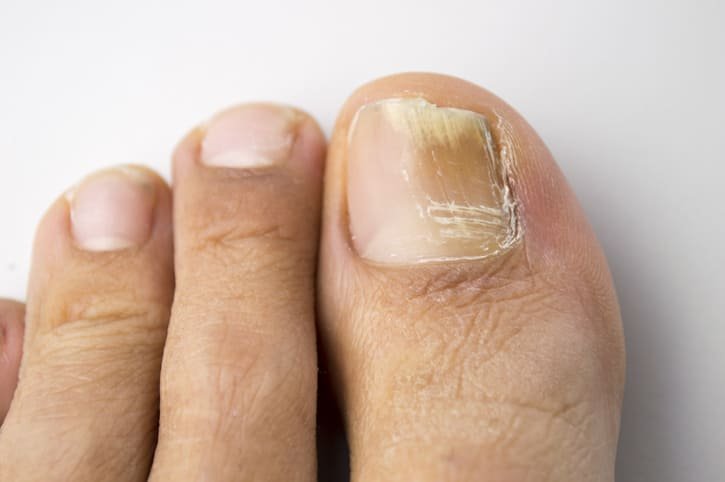
yellow, white or brown discolouration of the nail
thickened or distorted nail shape
brittle, crumbly or ragged nails
a build-up of debris under the nail
the nail lifting away from the nail bed
mild discomfort or pain (in more advanced cases)
Fungal nail infections most commonly affect the toenails, particularly the big toe, but fingernails can also be affected.
If left untreated, the infection may spread to other nails or surrounding skin.

What Causes Fungal Nail Infections?
Fungal nail infections are caused by fungi that thrive in warm, moist environments. These organisms can enter the nail through small cracks in the nail or surrounding skin.
Common causes and risk factors include:
Warm and moist environments
Wearing tight shoes, sweaty feet or frequent exposure to damp conditions can encourage fungal growth.
Minor nail damage
Small cuts or damage to the nail can make it easier for fungi to enter.
Poor foot hygiene
Not keeping the feet clean and dry may increase the risk of infection.
Weakened immune system
Certain health conditions can make infections more likely.
Existing fungal skin infections
Conditions such as athlete’s foot can spread to the nails if untreated.
Understanding these risk factors can help with both treatment and prevention.
Types of Fungal Nail Infections
Fungal nail infections can present in different forms, including:
Distal subungual infection
The most common type, affecting the tip of the nail and spreading inward.
White superficial infection
Causes white patches on the surface of the nail.
Proximal subungual infection
Starts near the base of the nail and spreads outward.
Total dystrophic infection
A more advanced form where the entire nail becomes thickened and damaged.

Treatment Options for Fungal Nail Infections
Treatment for fungal nail infections can take time, as nails grow slowly.
Common treatment options include:
Antifungal nail treatments
Medicated nail lacquers or solutions applied directly to the nail.
Oral antifungal medication
Tablets may be prescribed for more severe or persistent infections.
Nail care
Keeping nails trimmed and clean can help improve treatment effectiveness.
Good foot hygiene
Regular washing and thoroughly drying the feet can help prevent further infection.
Avoiding spread
Wearing breathable footwear and avoiding sharing nail tools can reduce transmission.
A doctor can recommend the most suitable treatment based on the severity of the infection.

When Should You See a Doctor?
You should consider speaking to a doctor if:
the nail becomes increasingly thick, painful or difficult to manage
the infection is spreading to other nails or skin
over-the-counter treatments are not effective
you have a long-term health condition such as diabetes
the diagnosis is uncertain
Early treatment can help prevent the infection from worsening and improve outcomes.
Concerned about A Fungal Nail Infection?
You can speak to a doctor to discuss your symptoms and receive medical advice
Book Doctor Appointment → Fungal Nail Prescription →
How A Doctor Can Help With Skin Conditions:
A doctor can assess skin symptoms and determine the most likely cause. This may involve examining the affected area and discussing your symptoms and medical history.
Treatment may include prescription medication, advice on skincare and lifestyle adjustments, or referral for further investigation if necessary.
Clinical review
This page was reviewed by Dr Ahmad, MB BCH BAO, Medical Director at GP24.
Irish Medical Council Reg. No. 019413
Last reviewed: 30-03-2026.
Get treated by our team of highly experienced doctors today:

Online & Video Doctor

Telephone Doctor

Doctor On Call

Online Prescription