
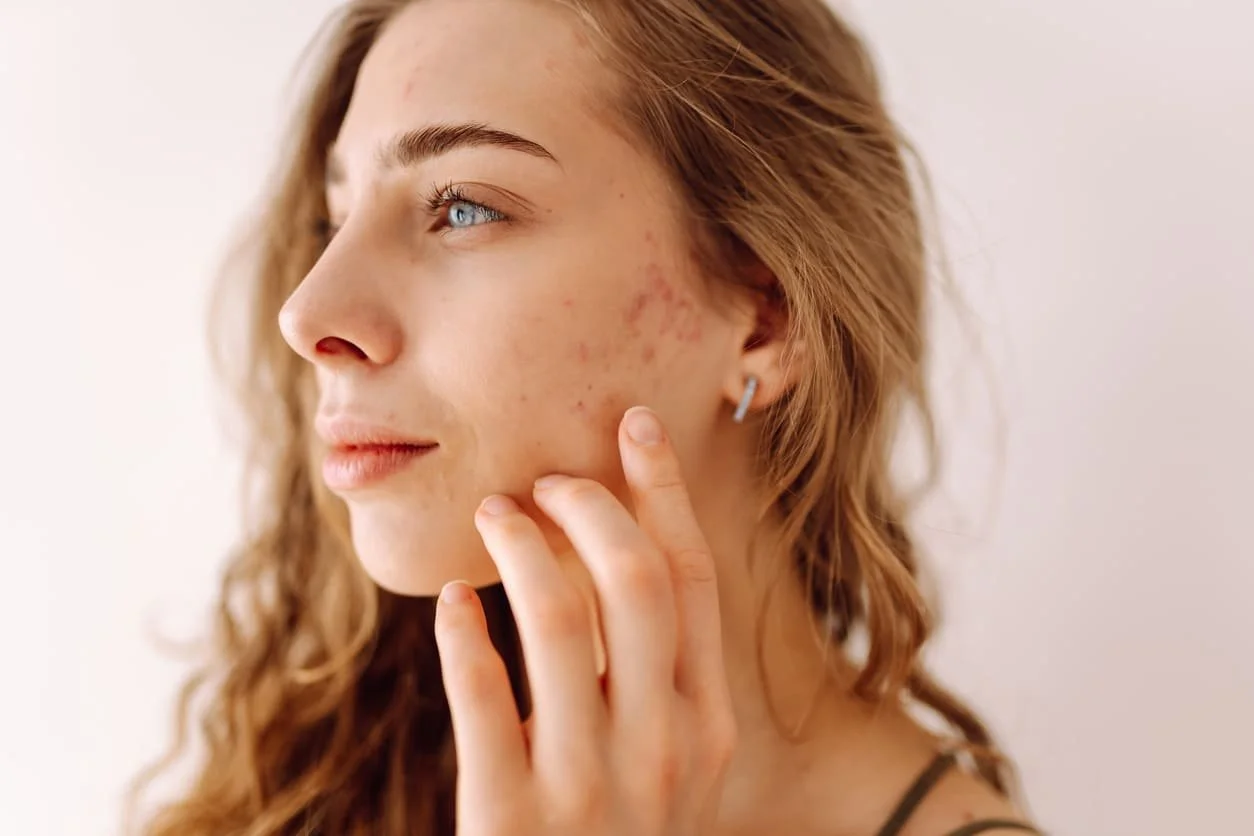
Acne: Symptoms, Causes & Treatment
Acne is a common skin condition that affects people of all ages, though it is most often associated with teenagers and young adults. It typically develops on the face, chest, shoulders and back, where oil glands are most active.
Acne can cause symptoms such as spots, oily skin and inflammation. While mild cases may improve over time, more persistent or severe acne may require medical treatment to prevent scarring and reduce breakouts.
A doctor can help diagnose the severity of acne and recommend suitable treatments to manage symptoms and improve skin health.
This guide explains the common symptoms, causes and treatments for acne, and when it may be helpful to speak to a doctor.
Common Symptoms of Acne
Acne can present in different ways depending on its severity. Symptoms may range from occasional breakouts to more persistent or inflamed spots.
Common symptoms include:
whiteheads (closed clogged pores)
blackheads (open clogged pores)
pimples or spots with pus
red, inflamed bumps (papules)
painful lumps under the skin (nodules or cysts)
oily or shiny skin
Acne most commonly appears on the face, but it can also affect the back, chest, shoulders and neck.
In more severe cases, acne may lead to scarring or dark marks on the skin. If symptoms are persistent or worsening, medical advice may help prevent long-term skin damage.
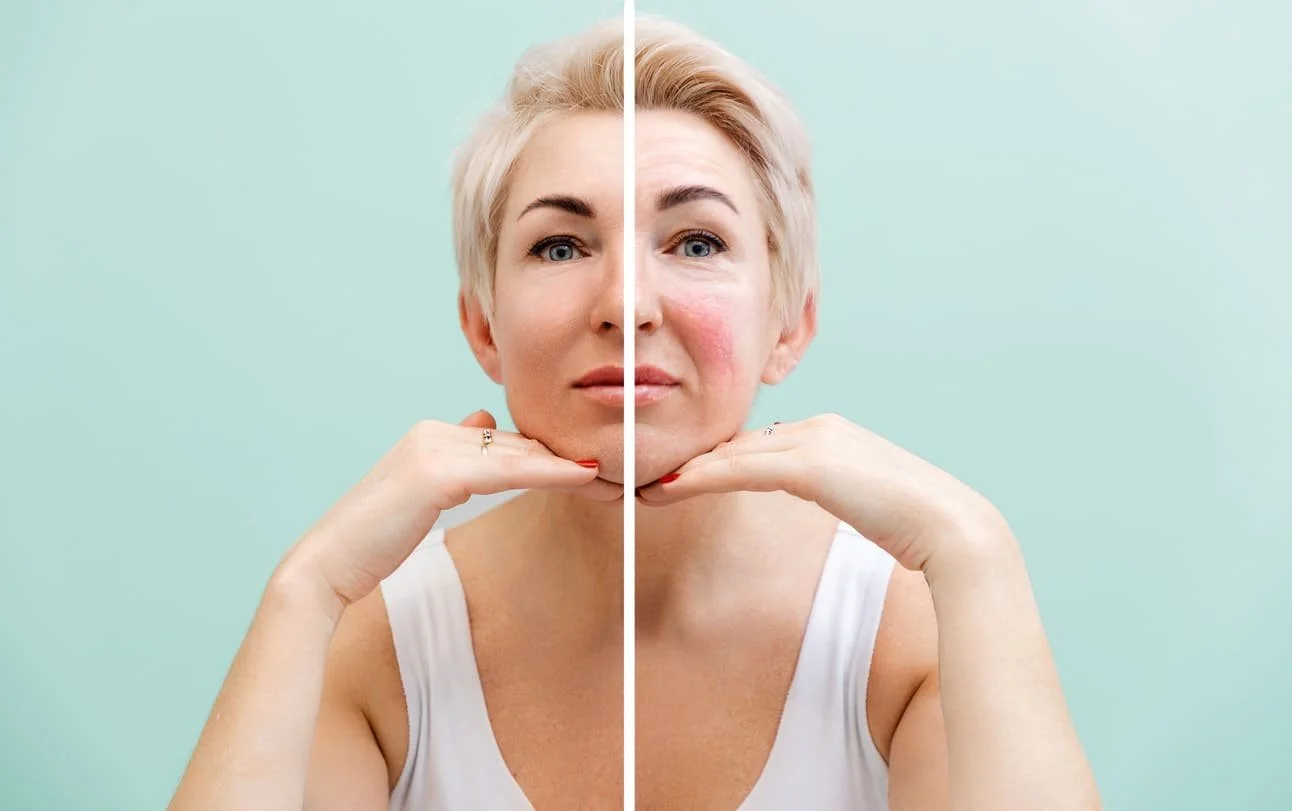
What Causes Acne?
Acne develops when hair follicles become clogged with oil (sebum), dead skin cells and sometimes bacteria. Several factors can contribute to this process.
Common causes include:
Excess oil production
Overactive oil glands can increase the likelihood of blocked pores.
Hormonal changes
Hormonal fluctuations during puberty, menstruation, pregnancy or due to certain conditions can trigger acne.
Bacteria
A type of bacteria on the skin can multiply in clogged pores, leading to inflammation.
Clogged pores
Dead skin cells that are not shed properly can block hair follicles.
Genetics
Acne can run in families, meaning some people may be more prone to developing it.
Lifestyle and external factors
Stress, certain skincare or cosmetic products, and friction from clothing or masks can contribute to breakouts.
Understanding what may be triggering acne can help guide treatment and prevention.
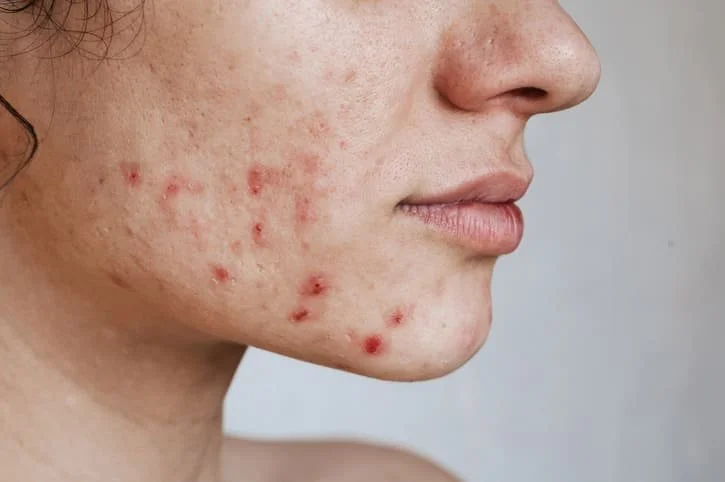
The Different Types of Acne
Acne can vary in severity and form. Common types include:
Mild acne
Mostly whiteheads and blackheads with occasional pimples.
Moderate acne
More frequent breakouts with inflamed spots and redness.
Severe acne
Includes painful nodules or cysts under the skin and may lead to scarring.
Hormonal acne
Often linked to hormonal changes and typically appears around the jawline and chin.

Treatment Options for Acne
Treatment for acne depends on its severity and underlying causes.
Common treatments may include:
Topical treatments
Creams or gels containing ingredients such as benzoyl peroxide, retinoids or antibiotics can help reduce oil, bacteria and inflammation.
Oral medications
Antibiotics or hormonal treatments may be prescribed for more persistent acne.
Prescription treatments
Stronger medications may be recommended for moderate to severe cases.
Skincare adjustments
Using non-comedogenic (non-pore-blocking) products and gentle cleansers can help manage symptoms.
Lifestyle changes
Managing stress, avoiding picking or squeezing spots, and maintaining a consistent skincare routine may improve acne.
A doctor can recommend the most appropriate treatment based on your skin type and acne severity.

When Should You See a Doctor?
You should consider speaking to a doctor if:
acne is persistent or worsening
breakouts are painful or severe
acne is causing scarring or dark marks
over-the-counter treatments are not effective
acne is affecting your confidence or wellbeing
Early treatment can help prevent complications such as scarring and improve overall skin health.
Concerned about Acne?
You can speak to a doctor to discuss your symptoms and receive medical advice
Book Doctor Appointment →Related Skin Conditions
You can learn more about specific skin conditions here:

How A Doctor Can Help With Skin Conditions:
A doctor can assess skin symptoms and determine the most likely cause. This may involve examining the affected area and discussing your symptoms and medical history.
Treatment may include prescription medication, advice on skincare and lifestyle adjustments, or referral for further investigation if necessary.
Clinical review
This page was reviewed by Dr Ahmad, MB BCH BAO, Medical Director at GP24.
Irish Medical Council Reg. No. 019413
Last reviewed: 30-03-2026.
Get treated by our team of highly experienced doctors today:

Online & Video Doctor

Telephone Doctor
Doctor On Call

Online Prescription