
Eczema: Symptoms, Causes & Treatment
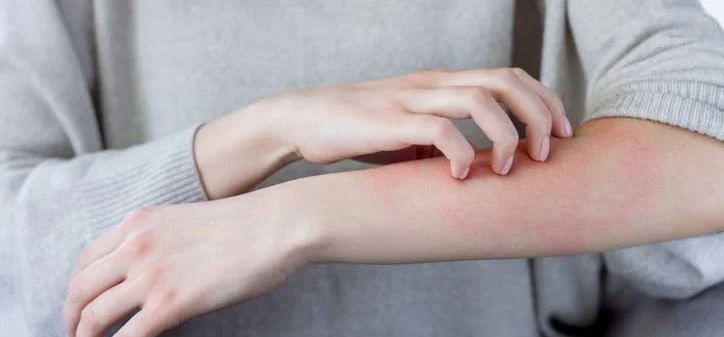
Eczema is a common skin condition that causes dry, itchy and inflamed skin. It can affect people of all ages but is particularly common in children. The condition may come and go over time, with periods where symptoms improve and flare-ups where they worsen.
Eczema can vary in severity, from mild dryness to more persistent irritation that affects daily life. While it is not contagious, it can be uncomfortable and sometimes lead to skin infections if the skin becomes damaged.
A doctor can help diagnose eczema and recommend treatments to relieve symptoms and reduce flare-ups.
This guide explains the common symptoms, causes and treatments for eczema, and when it may be helpful to speak to a doctor.
Common Symptoms of Eczema
Eczema symptoms can vary depending on the individual and the severity of the condition. Symptoms may come and go and are often worse during flare-ups.
Common symptoms include:
dry, rough or scaly skin
itching, which can sometimes be intense
red or inflamed patches
cracked or broken skin
thickened skin from repeated scratching
small bumps that may leak fluid or crust over
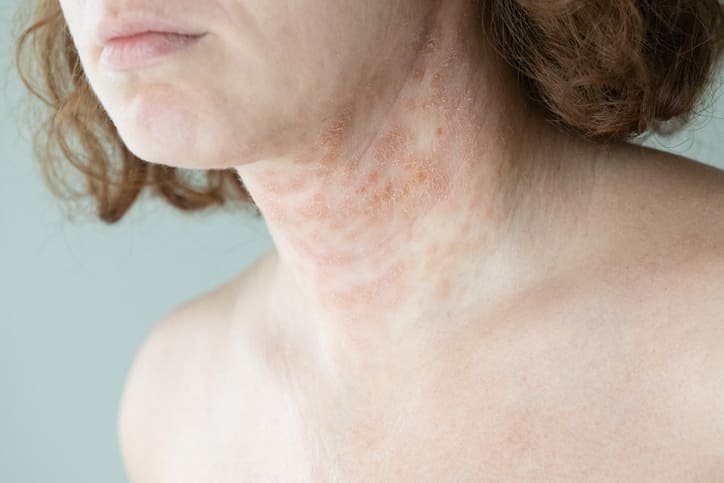
Eczema can affect any area of the body, but it is commonly found on the hands, face, neck, inside the elbows and behind the knees.
Persistent scratching can damage the skin and increase the risk of infection. If symptoms worsen or become difficult to manage, medical advice may be helpful.
What Causes Eczema?
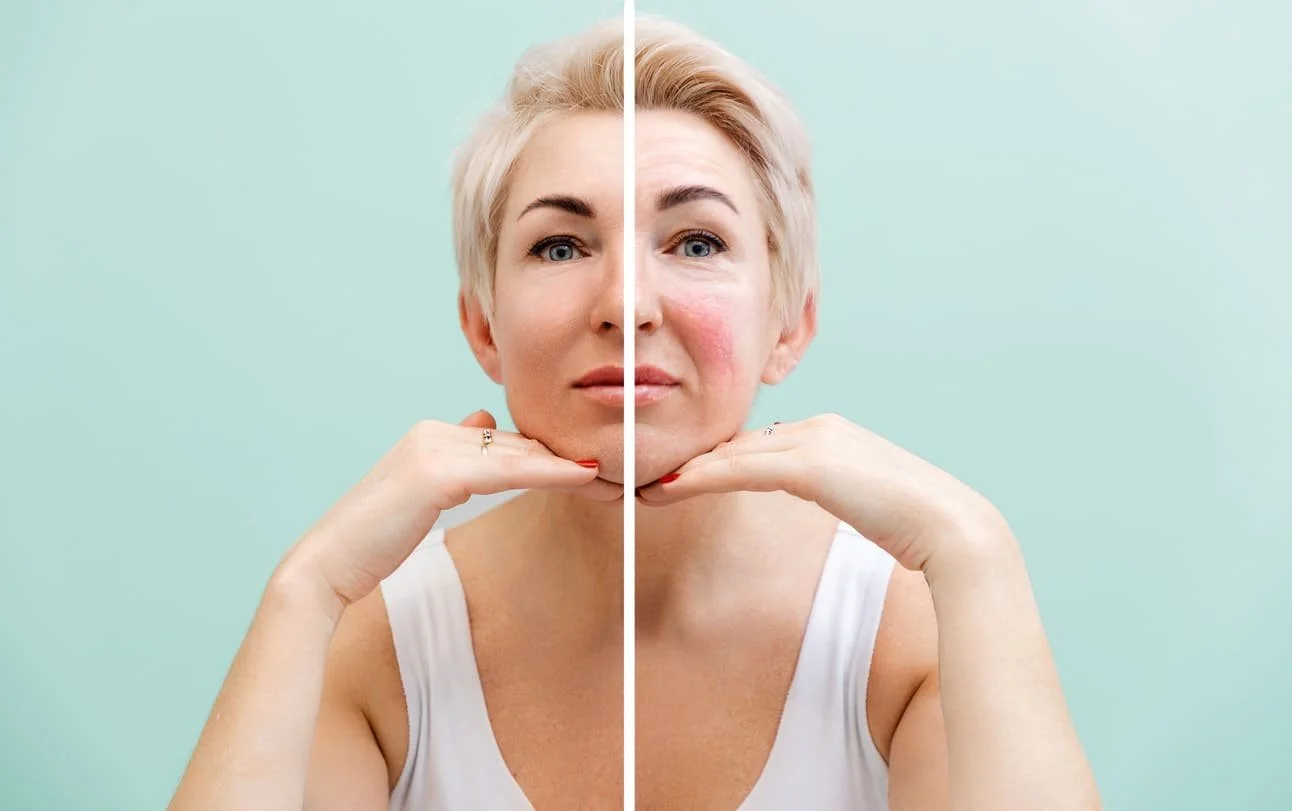
Eczema is a complex condition and may be caused by a combination of factors. It is often linked to a weakened skin barrier and increased sensitivity to irritants.
Common causes include:
Genetics
Eczema often runs in families, particularly in people with a history of allergies, asthma or hay fever.
Immune system response
An overactive immune response can cause inflammation in the skin.
Skin barrier dysfunction
The skin may be less able to retain moisture, leading to dryness and irritation.
Irritants
Soaps, detergents, fragrances and certain fabrics can trigger symptoms.
Allergens
Dust mites, pollen, pet dander or certain foods may worsen eczema in some people.
Environmental factors
Cold weather, heat, humidity or dry air can trigger flare-ups.
Identifying and avoiding triggers can help reduce the frequency and severity of symptoms.
The Different Types of Eczema
There are several types of eczema, including:
Atopic dermatitis
The most common form, often linked to allergies and typically starting in childhood.
Contact dermatitis
Triggered by direct contact with an irritant or allergen.
Dyshidrotic eczema
Causes small, itchy blisters on the hands and feet.
Seborrhoeic dermatitis
Often affects oily areas such as the scalp and face.

Treatment Options for Eczema
Treatment for eczema focuses on relieving symptoms, improving skin hydration and preventing flare-ups.
Common treatments may include:
Emollients (moisturisers)
Regular use helps keep the skin hydrated and protects the skin barrier.
Topical corticosteroids
Used to reduce inflammation during flare-ups.
Antihistamines
May help relieve itching, especially at night.
Avoiding triggers
Identifying and minimising exposure to irritants or allergens can help control symptoms.
Skincare adjustments
Using gentle, fragrance-free products and avoiding harsh soaps can reduce irritation.
A doctor can recommend the most suitable treatment plan based on the severity of eczema.

When Should You See a Doctor?
You should consider speaking to a doctor if:
symptoms are persistent or worsening
itching is severe or affecting sleep
the skin becomes painful, swollen or infected
eczema is not improving with over-the-counter treatments
flare-ups are frequent or difficult to control
Early medical advice can help manage symptoms effectively and prevent complications.
Concerned about Eczema?
You can speak to a doctor to discuss your symptoms and receive medical advice
Book Doctor Appointment →Related Skin Conditions
You can learn more about specific skin conditions here:

How A Doctor Can Help With Skin Conditions:
A doctor can assess skin symptoms and determine the most likely cause. This may involve examining the affected area and discussing your symptoms and medical history.
Treatment may include prescription medication, advice on skincare and lifestyle adjustments, or referral for further investigation if necessary.
Clinical review
This page was reviewed by Dr Ahmad, MB BCH BAO, Medical Director at GP24.
Irish Medical Council Reg. No. 019413
Last reviewed: 30-03-2026.
Get treated by our team of highly experienced doctors today:

Online & Video Doctor

Telephone Doctor

Doctor On Call

Online Prescription