
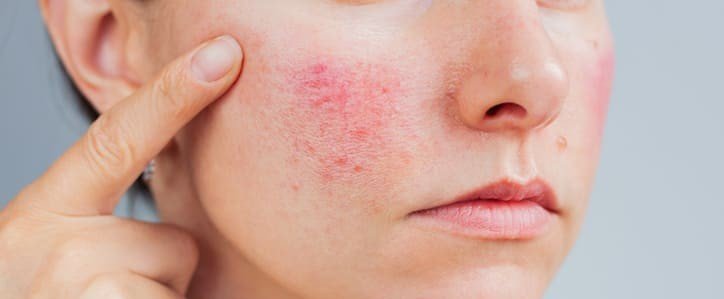
Skin Rash: Symptoms, Causes & Treatment
A rash is a general term used to describe changes in the skin’s appearance or texture. It can present in many different ways, including redness, bumps, itching or irritation.
Rashes are very common and can affect people of all ages. Some are mild and short-lived, while others may be more persistent or linked to an underlying condition.
The cause of a rash can vary widely, from allergic reactions and infections to chronic skin conditions. Identifying the cause is important in determining the most appropriate treatment.
This guide outlines the common symptoms, causes and treatment options for rashes, and when it may be helpful to speak to a doctor.
Common Symptoms of A Skin Rash
The appearance and symptoms of a rash can differ depending on the cause. Some rashes develop suddenly, while others appear gradually.
Common symptoms include:
red or discoloured patches of skin
itching or irritation
raised bumps or spots
dry, scaly or flaky skin
blisters or fluid-filled lesions
swelling or tenderness
Rashes can appear anywhere on the body and may affect a small area or be more widespread.
In some cases, a rash may be accompanied by other symptoms such as fever or discomfort. If symptoms persist or worsen, medical advice may help identify the cause.
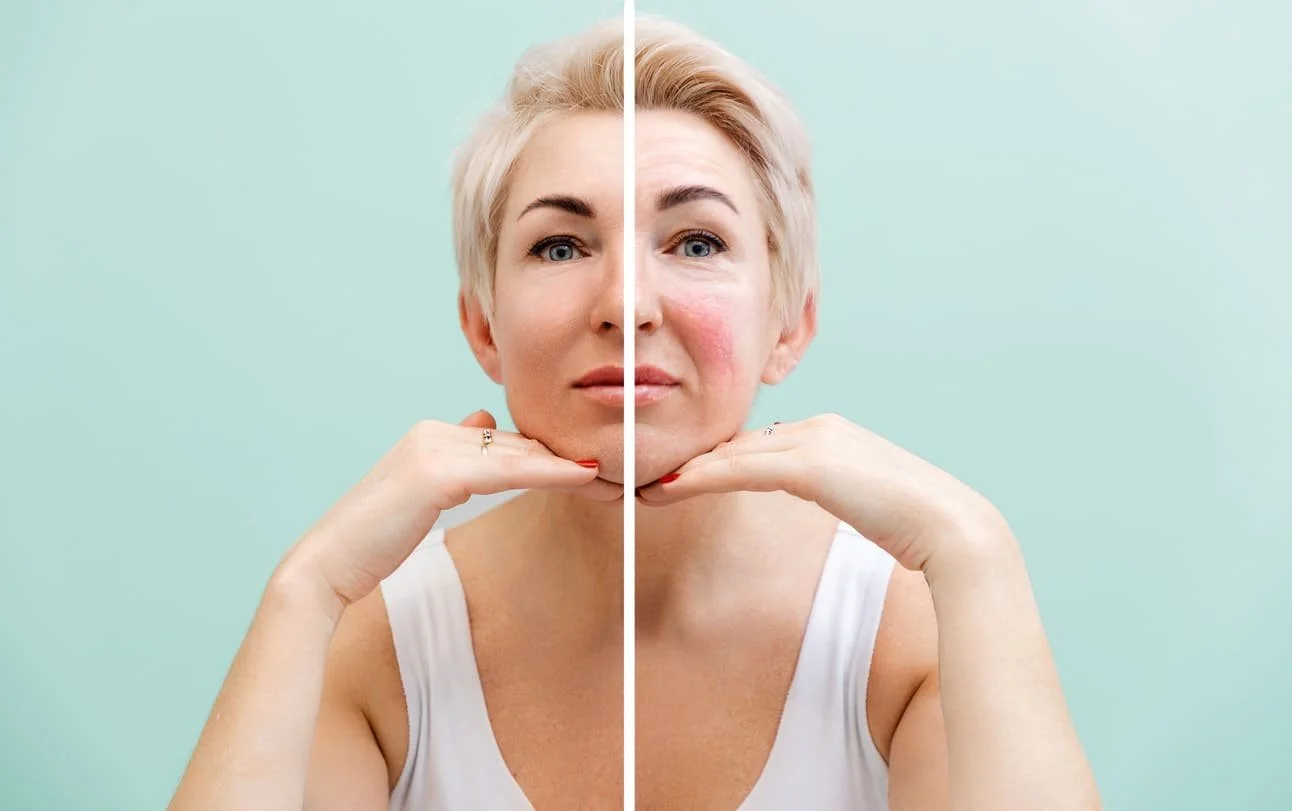
What Causes a Rash?
Rashes can develop for many different reasons, and sometimes more than one factor may be involved.
Common causes include:
Allergic reactions
The skin may react to substances such as foods, medications, cosmetics or plants.
Irritants
Contact with soaps, detergents, chemicals or certain fabrics can irritate the skin.
Infections
Bacterial, viral or fungal infections can lead to different types of rashes.
Chronic skin conditions
Conditions such as eczema or psoriasis can cause recurring rashes.
Heat and sweating
Blocked sweat glands can lead to heat rash, especially in warm conditions.
Medications
Some medicines can cause skin reactions as a side effect.
Understanding the possible cause can help guide appropriate treatment and prevention.
Types of Rashes
Rashes can take many different forms depending on the underlying cause, including:
Contact dermatitis
Occurs when the skin reacts to an irritant or allergen.
Heat rash (prickly heat)
Caused by blocked sweat glands, leading to small, itchy bumps.
Viral rash
Often associated with infections and may be accompanied by other symptoms such as fever.
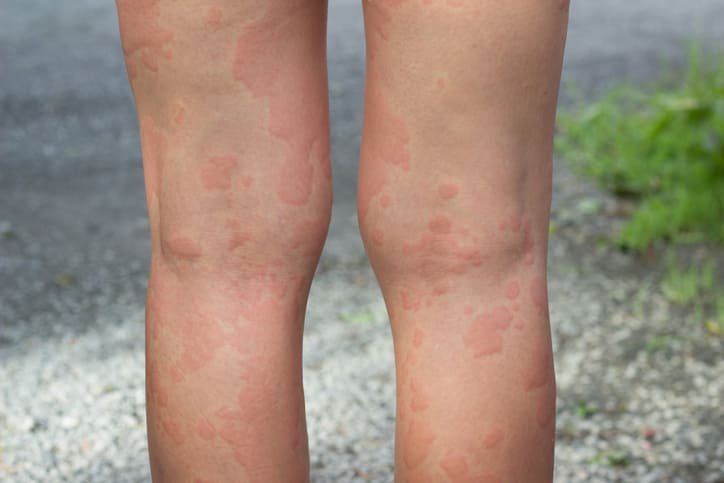
Allergic rash (hives/urticaria)
Raised, itchy welts that can appear suddenly.
Chronic rashes
Linked to ongoing conditions such as eczema or psoriasis.

Treatment Options for a Rash
Treatment for a rash depends on its cause and severity.
Common treatment approaches include:
Topical treatments
Creams or ointments may help reduce inflammation, itching or irritation.
Antihistamines
These can help relieve itching caused by allergic reactions.
Antifungal or antibiotic treatments
Used if the rash is caused by an infection.
Avoiding triggers
Identifying and avoiding the cause can help prevent the rash from returning.
Skincare adjustments
Using gentle, fragrance-free products can help protect sensitive skin.
A doctor can help determine the cause of the rash and recommend the most appropriate treatment.

When Should You See a Doctor?
You should consider speaking to a doctor if:
the rash does not improve after a few days
symptoms are worsening or spreading
the rash is painful, swollen or infected
you also have a fever or feel unwell
the cause of the rash is unclear
Seeking medical advice can help ensure the correct diagnosis and treatment.
Concerned about A Rash?
You can speak to a doctor to discuss your symptoms and receive medical advice
Book Doctor Appointment →Related Skin Conditions
You can learn more about specific skin conditions here:

How A Doctor Can Help With Skin Conditions:
A doctor can assess skin symptoms and determine the most likely cause. This may involve examining the affected area and discussing your symptoms and medical history.
Treatment may include prescription medication, advice on skincare and lifestyle adjustments, or referral for further investigation if necessary.
Clinical review
This page was reviewed by Dr Ahmad, MB BCH BAO, Medical Director at GP24.
Irish Medical Council Reg. No. 019413
Last reviewed: 30-03-2026.
Get treated by our team of highly experienced doctors today:

Online & Video Doctor

Telephone Doctor
Doctor On Call

Online Prescription