
Rosacea: Symptoms, Causes & Treatment
Rosacea is a common skin condition that mainly affects the face, causing redness, visible blood vessels and sometimes spots. It often develops gradually and may come and go, with flare-ups triggered by certain factors.
The condition most commonly affects the cheeks, nose, forehead and chin. While rosacea can vary in severity, it may become more noticeable over time if left untreated.
Although there is no cure, treatments can help control symptoms, reduce flare-ups and improve the overall appearance of the skin.
This guide explains the common symptoms, causes and treatments for rosacea, and when it may be helpful to speak to a doctor.
Common Symptoms of Rosacea
Rosacea symptoms can differ between individuals and may vary depending on the subtype of the condition. Symptoms often begin with episodes of flushing and may become more persistent over time.
Common symptoms include:
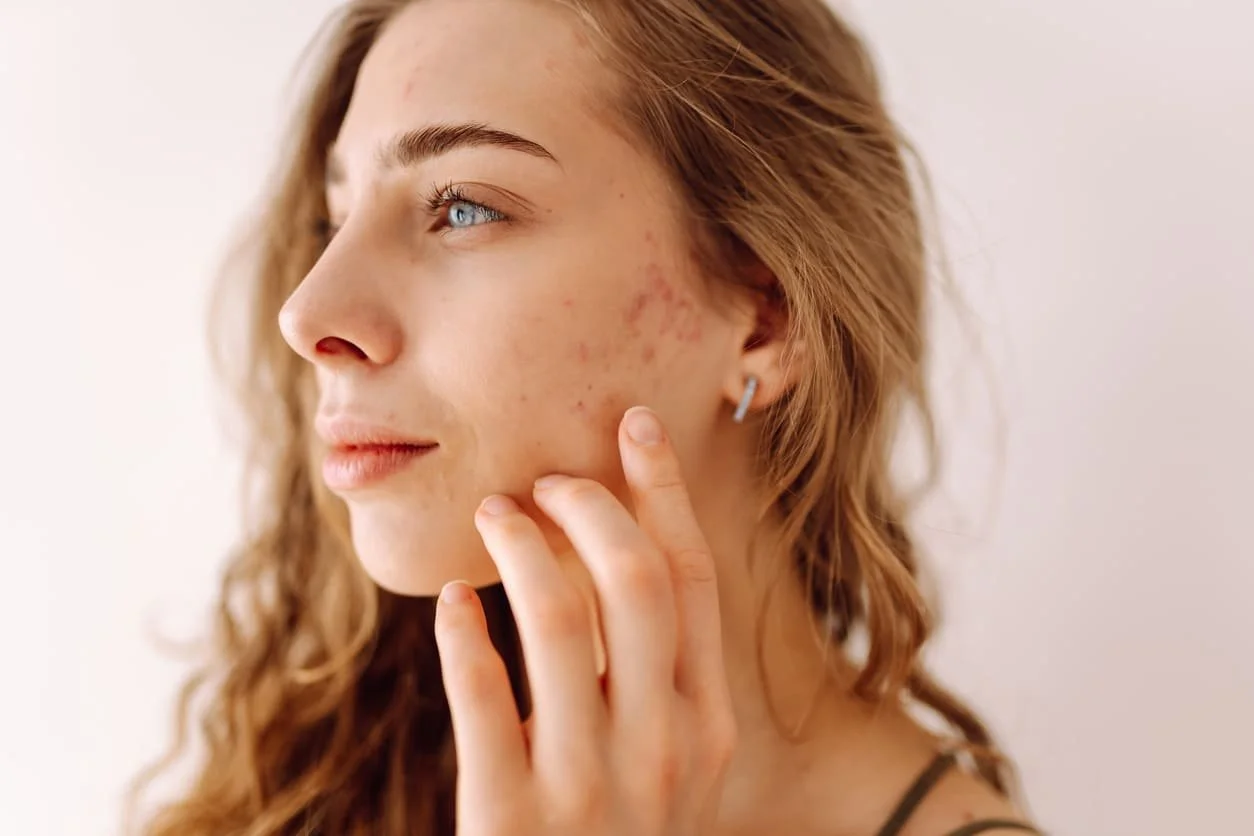
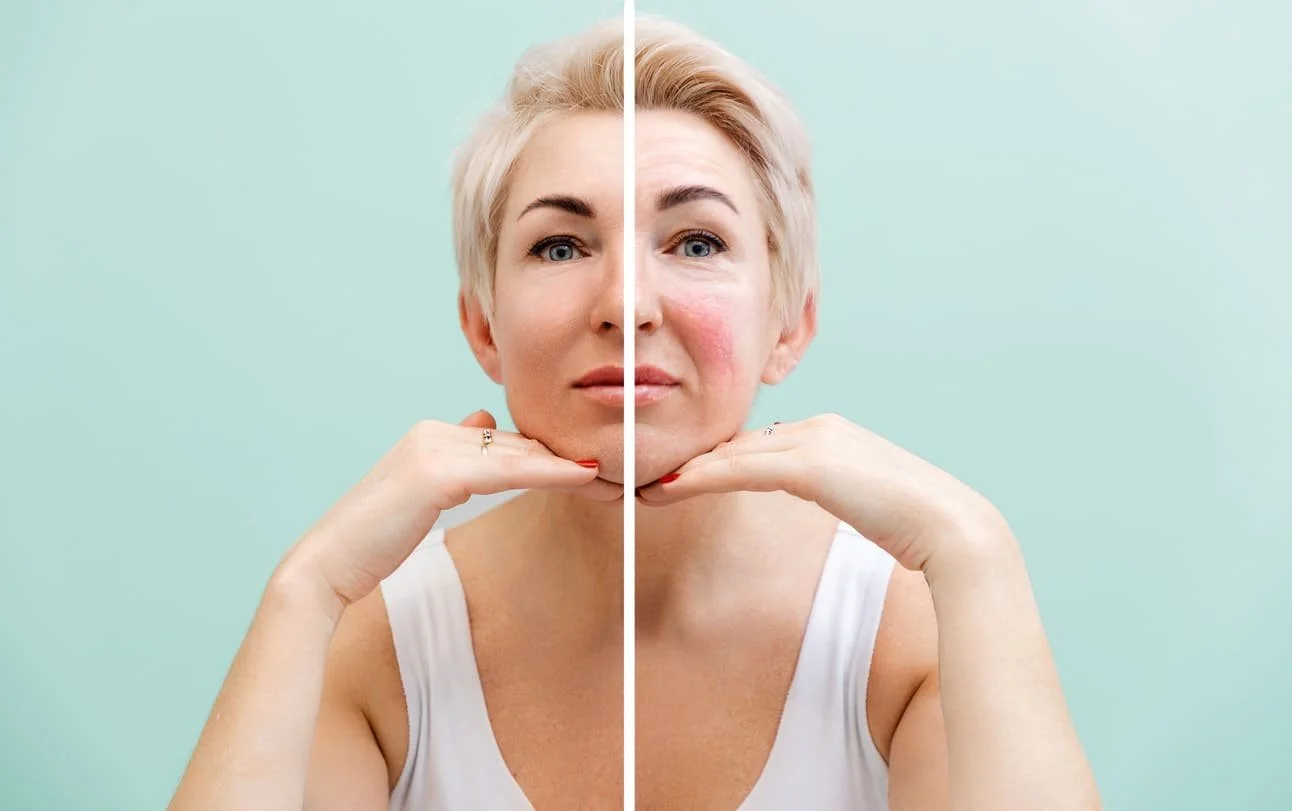
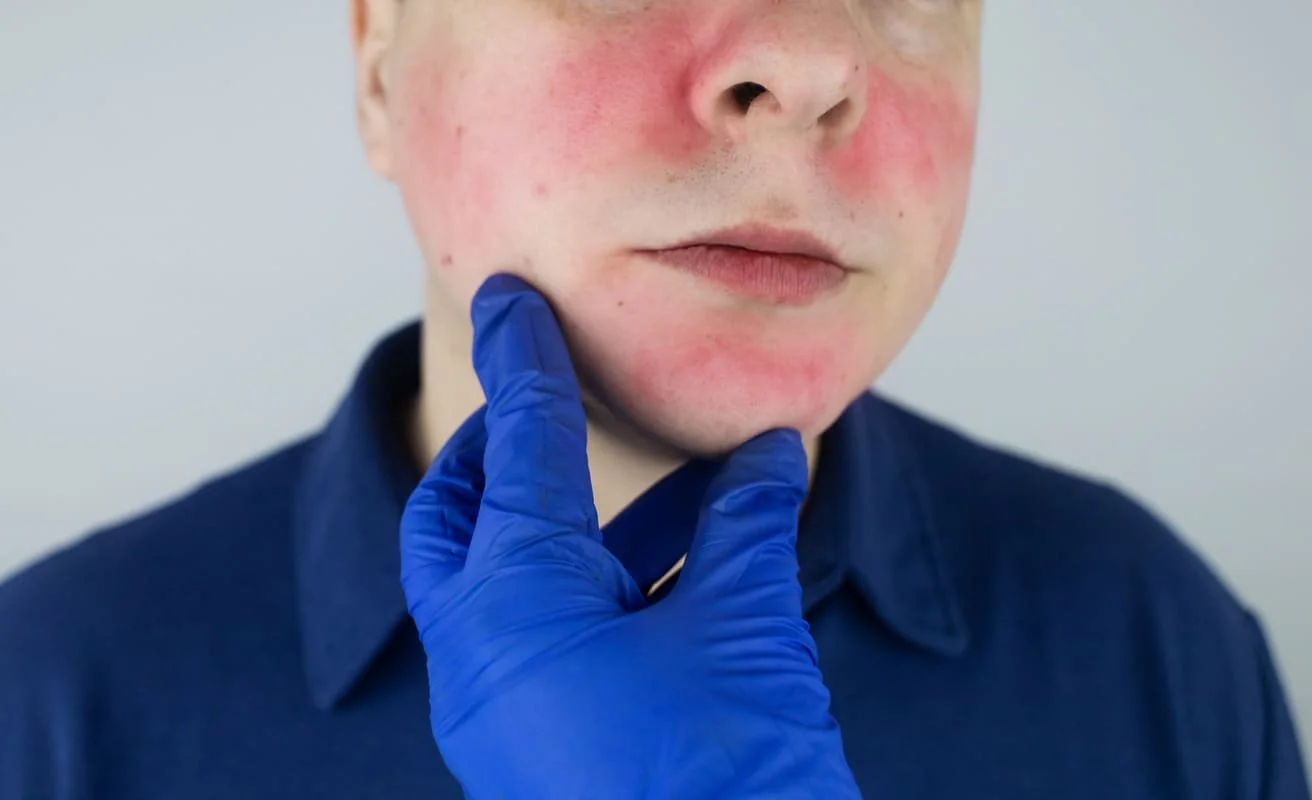
Persistent redness, especially across the cheeks and nose
Flushing or blushing easily
Visible blood vessels (thread veins)
Small red bumps or pus-filled spots
Sensitive or easily irritated skin
Burning or stinging sensations
In some cases, the skin may become dry or rough. More severe forms of rosacea can cause thickened skin, particularly around the nose.
If symptoms continue or worsen, medical advice may help prevent progression and improve symptom control.
What Causes Rosacea?
The exact cause of rosacea is not fully understood, but it is thought to involve a combination of genetic and environmental factors.
Several factors may contribute to the development of rosacea:
Blood vessel sensitivity
Increased reactivity of facial blood vessels may lead to flushing and persistent redness.
Immune system response
An abnormal immune reaction may contribute to inflammation in the skin.
Genetics
Rosacea may be more common in people with a family history of the condition.
Skin microorganisms
Certain microorganisms that live on the skin may play a role in triggering symptoms.
Triggers
Various external factors can worsen rosacea or cause flare-ups.
Common triggers include:
sun exposure
hot or cold weather
spicy foods
alcohol
stress
hot drinks
Identifying and avoiding personal triggers can help reduce flare-ups.
The Different Types of Rosacea
Rosacea can present in several forms, including:
Erythematotelangiectatic rosacea (ETR)
Characterised by persistent redness and visible blood vessels.
Papulopustular rosacea
Includes redness along with acne-like spots and bumps.
Phymatous rosacea
Leads to thickened skin, most commonly affecting the nose.
Ocular rosacea
Affects the eyes, causing dryness, irritation and redness.

Treatment Options for Rosacea
Treatment for rosacea focuses on managing symptoms and reducing flare-ups.
Common treatment options include:
Topical treatments
Creams or gels may help reduce redness and inflammation.
Oral medications
Antibiotics or other medications may be prescribed for more persistent symptoms.
Laser or light therapies
These treatments can help reduce visible blood vessels and redness.
Skincare adjustments
Using gentle, fragrance-free products and daily sun protection can help protect sensitive skin.
Trigger management
Avoiding known triggers such as certain foods, drinks or environmental factors can help control symptoms.
A doctor can recommend the most appropriate treatment based on the type and severity of rosacea.

When Should You See a Doctor?
You should consider speaking to a doctor if:
Symptoms are persistent or becoming more noticeable
Redness or flushing does not improve
Spots or bumps are worsening
The eyes feel irritated or affected
Over-the-counter treatments are not effective
Early treatment can help prevent symptoms from progressing and improve long-term management.
Concerned about Rosacea?
You can speak to a doctor to discuss your symptoms and receive medical advice, or avail of our prescription service
Book Doctor Appointment → Prescription For Rosacea →Related Skin Conditions
You can learn more about specific skin conditions here:

How A Doctor Can Help With Skin Conditions:
A doctor can assess skin symptoms and determine the most likely cause. This may involve examining the affected area and discussing your symptoms and medical history.
Treatment may include prescription medication, advice on skincare and lifestyle adjustments, or referral for further investigation if necessary.
Clinical review
This page was reviewed by Dr Ahmad, MB BCH BAO, Medical Director at GP24.
Irish Medical Council Reg. No. 019413
Last reviewed: 30-03-2026.
Get treated by our team of highly experienced doctors today:

Online & Video Doctor

Telephone Doctor
Doctor On Call

Online Prescription