
Psoriasis: Symptoms, Causes & Treatment
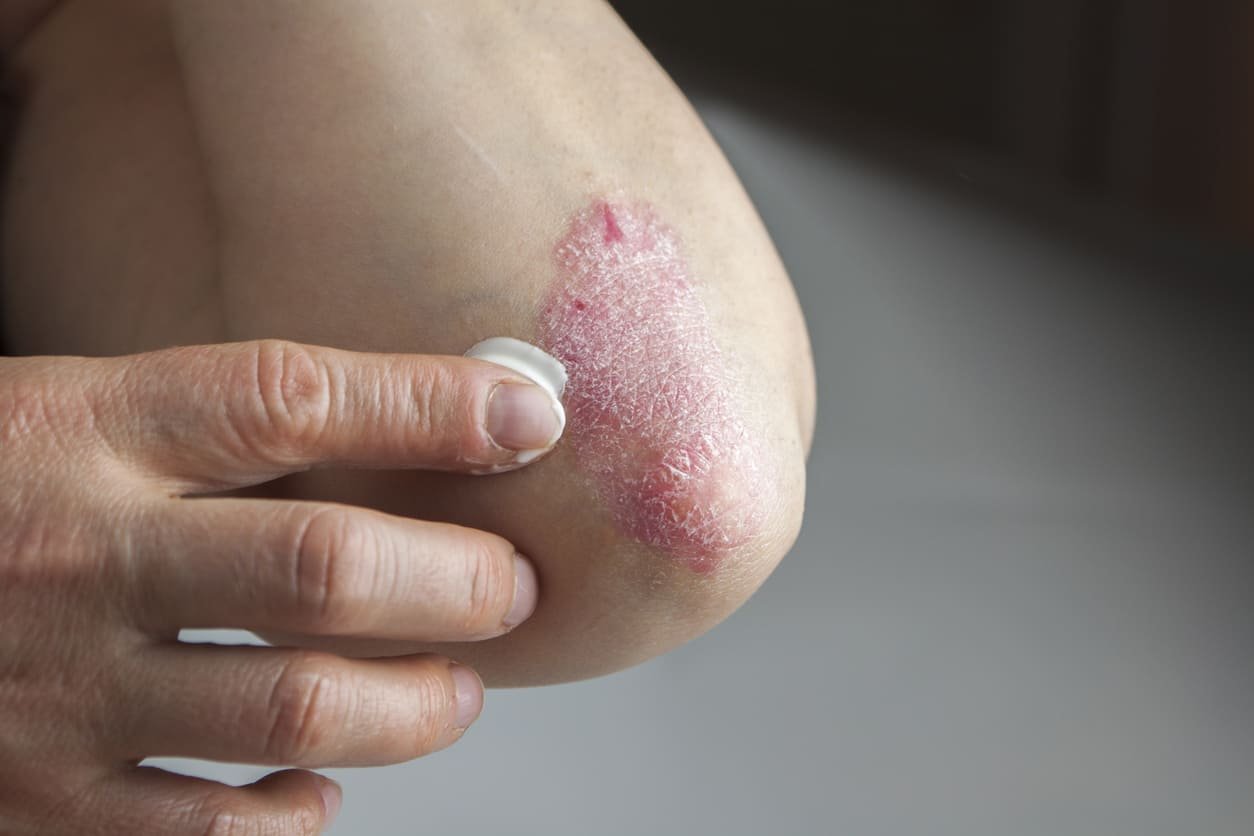
Psoriasis is a long-term skin condition that causes patches of thickened, scaly skin. These patches can appear anywhere on the body but are most commonly found on the elbows, knees, scalp and lower back.
The condition tends to flare up in cycles, with periods where symptoms improve followed by times when they worsen. Psoriasis is not contagious, but it can be uncomfortable and, in some cases, impact confidence or daily life.
While there is no cure for psoriasis, treatment can help manage symptoms, reduce flare-ups and improve skin appearance.
This guide outlines the common symptoms, causes and treatment options for psoriasis, as well as when it may be helpful to speak to a doctor.
Common Symptoms of Psoriasis
Psoriasis symptoms can differ from person to person, depending on the type and severity of the condition. Some people may experience mild patches, while others develop more widespread or persistent symptoms.
Common symptoms include:
raised patches of skin (plaques)
silvery or white scales on the surface of the skin
red or inflamed areas
dry or cracked skin that may bleed
itching, burning or soreness
thickened or ridged nails (in some cases)
These patches are often well-defined and may vary in size. Symptoms can come and go, with flare-ups triggered by certain factors.
If symptoms become severe or difficult to manage, medical advice may help improve control of the condition.
What Causes Psoriasis?
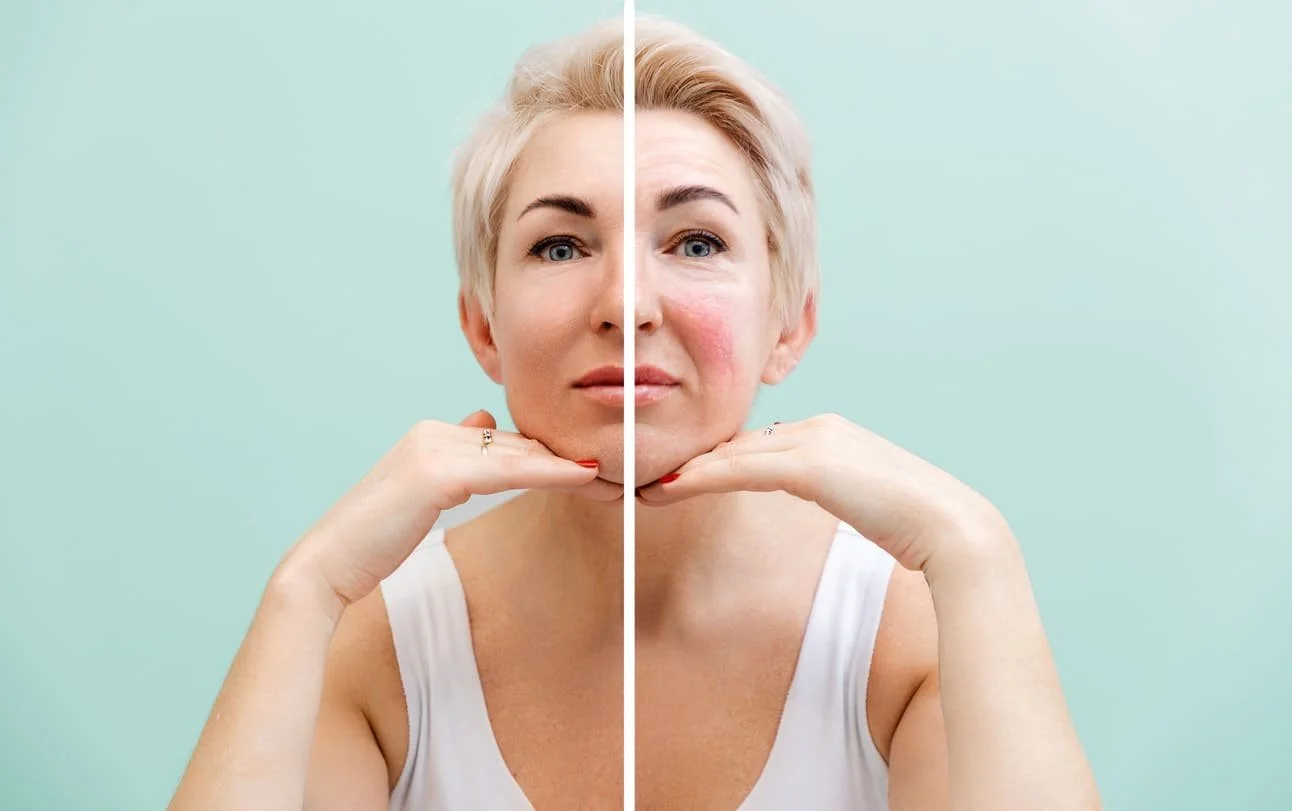
Psoriasis is an autoimmune condition, meaning it involves the immune system mistakenly attacking healthy skin cells. This speeds up the skin renewal process, leading to a build-up of cells on the surface.
Several factors are thought to contribute to psoriasis:
Immune system activity
An overactive immune response causes skin cells to grow and shed more quickly than normal.
Genetics
Psoriasis can run in families, increasing the likelihood of developing the condition.
Triggers
Certain factors can cause flare-ups or make symptoms worse.
Common triggers include:
stress
skin injury (such as cuts or sunburn)
infections
certain medications
cold or dry weather
Understanding personal triggers can play an important role in managing psoriasis effectively.
Types of Psoriasis
Psoriasis can present in different forms, including:
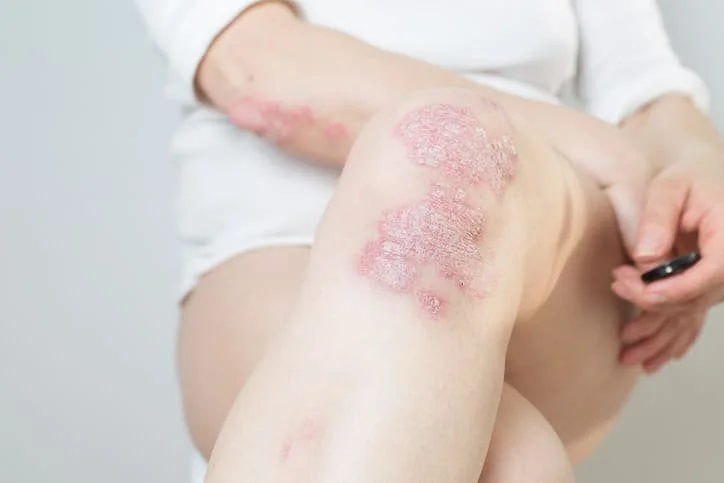
Plaque psoriasis
The most common type, characterised by raised, scaly patches of skin.
Guttate psoriasis
Appears as small, drop-shaped spots, often triggered by infections.
Inverse psoriasis
Affects skin folds, such as under the arms or around the groin.
Pustular psoriasis
Causes white, pus-filled blisters surrounded by inflamed skin.
Erythrodermic psoriasis
A rare but severe form that leads to widespread redness and skin shedding.

Treatment Options for Psoriasis
Treatment for psoriasis aims to reduce inflammation, slow skin cell production and relieve symptoms.
Common treatment options include:
Topical treatments
Creams and ointments, including corticosteroids or vitamin D analogues, are often used to reduce inflammation and scaling.
Light therapy (phototherapy)
Controlled exposure to ultraviolet light can help improve symptoms in some people.
Oral or injectable medications
These may be prescribed for moderate to severe psoriasis to target the immune system.
Moisturisers
Regular use can help reduce dryness, scaling and irritation.
Lifestyle adjustments
Managing stress, avoiding known triggers and maintaining a consistent skincare routine may help control flare-ups.
A doctor can recommend the most appropriate treatment depending on the type and severity of psoriasis.

When Should You See a Doctor?
You should consider speaking to a doctor if:
symptoms are persistent or worsening
psoriasis is widespread or severe
the skin becomes painful, cracked or bleeds
symptoms are affecting your daily life or wellbeing
over-the-counter treatments are not providing relief
Early treatment can help reduce flare-ups and improve long-term management of the condition.
Concerned about Psoriasis?
You can speak to a doctor to discuss your symptoms and receive medical advice
Book Online Doctor → Prescription For Psoriasis →Related Skin Conditions
You can learn more about specific skin conditions here:

How A Doctor Can Help With Skin Conditions:
A doctor can assess skin symptoms and determine the most likely cause. This may involve examining the affected area and discussing your symptoms and medical history.
Treatment may include prescription medication, advice on skincare and lifestyle adjustments, or referral for further investigation if necessary.
Clinical review
This page was reviewed by Dr Ahmad, MB BCH BAO, Medical Director at GP24.
Irish Medical Council Reg. No. 019413
Last reviewed: 30-03-2026.
Get treated by our team of highly experienced doctors today:

Online & Video Doctor

Telephone Doctor
Doctor On Call

Online Prescription