
Skin Conditions: Symptoms, Causes and Treatment
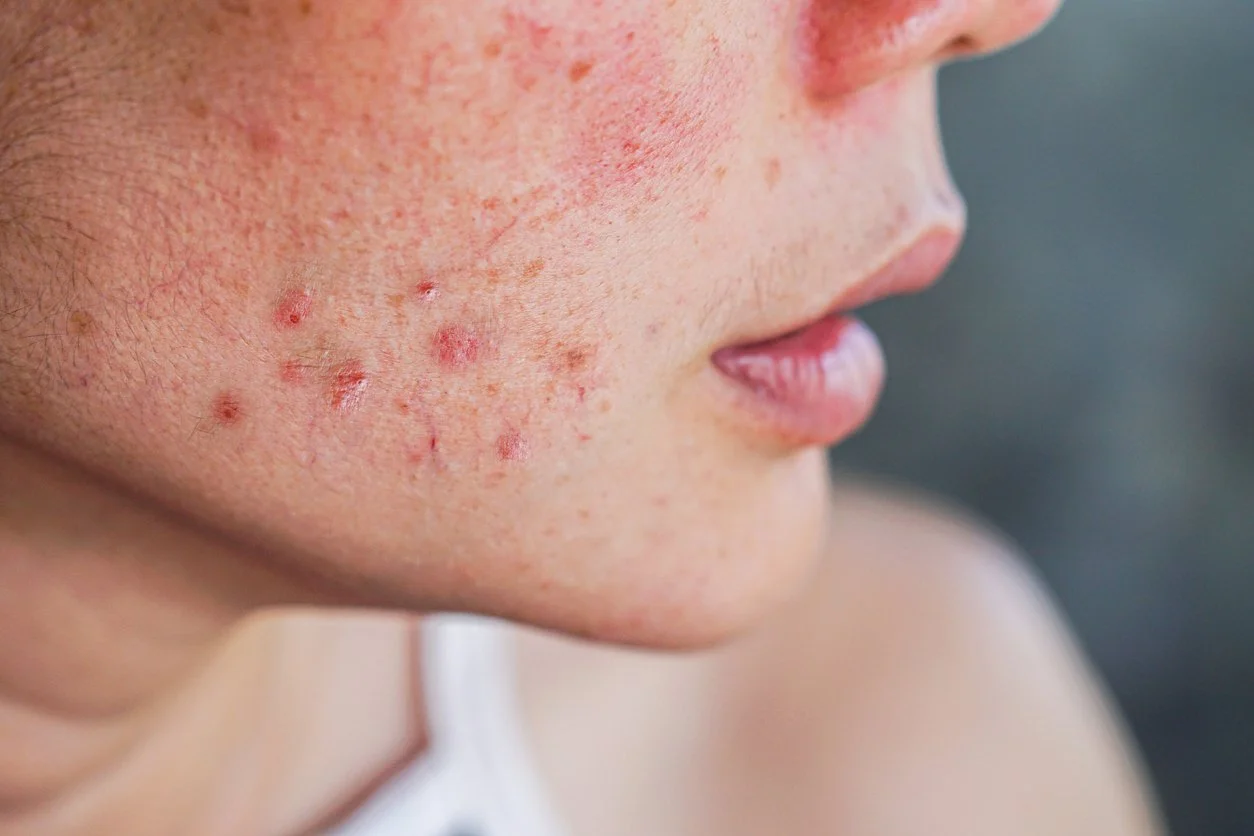
Skin conditions are common and can affect people of all ages. Many skin problems cause symptoms such as itching, redness, dryness, rashes or irritation. While some conditions improve on their own, others may require medical advice or prescription treatment.
A doctor can help diagnose the cause of skin symptoms and recommend appropriate treatment to relieve discomfort and prevent the condition from worsening.
This guide explains the common symptoms, causes and treatments for skin conditions, and when it may be helpful to speak to a doctor.
Common Symptoms of Skin Conditions
Skin conditions can cause a variety of symptoms depending on the underlying cause. Some symptoms may be mild and temporary, while others can become persistent or uncomfortable.
Common symptoms include:
itchy skin
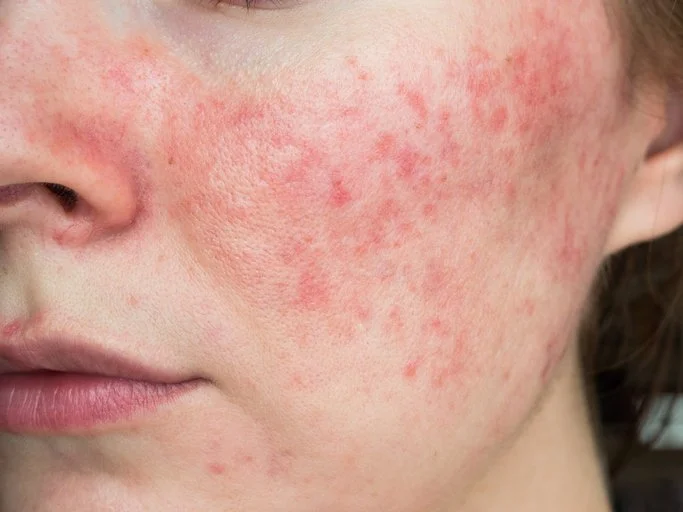
redness or inflamed patches
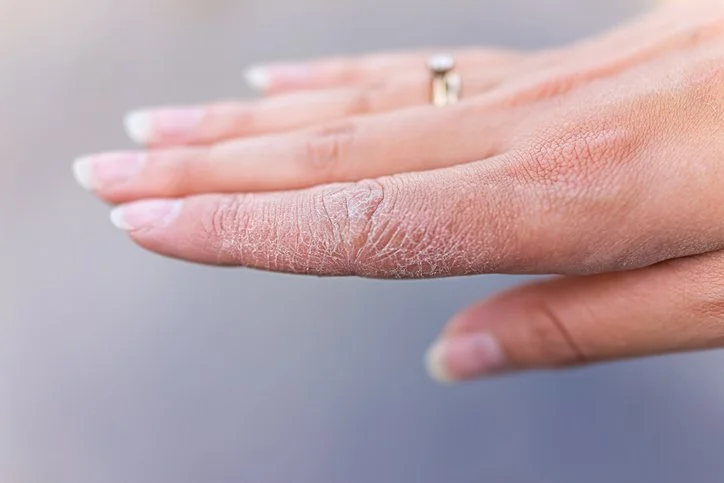
dry or flaky skin
bumps or blisters
cracked or irritated skin
swelling or tenderness
Some skin conditions may also cause symptoms such as burning sensations, sensitivity or changes in skin texture. If symptoms persist or continue to worsen, medical advice may be helpful to determine the underlying cause.
What Causes Skin Conditions?
Skin conditions can develop for many different reasons. In some cases the cause is clear, while in others multiple factors may be involved.
Common causes include:
Allergic reactions
Skin may react to substances such as cosmetics, soaps, detergents or certain fabrics.
Infections
Bacterial, viral and fungal infections can all affect the skin and cause symptoms such as redness, swelling or irritation.
Chronic skin conditions
Some skin conditions, such as eczema or psoriasis, are long-term conditions that may flare up periodically.
Environmental factors
Cold weather, heat, sun exposure or dry air can irritate the skin and trigger symptoms.
Irritants
Frequent washing, harsh skincare products or chemicals can damage the skin’s natural barrier.
Understanding the possible causes of skin symptoms can help guide treatment and prevention strategies.
Common Skin Conditions
Several different conditions can affect the skin. Some of the most common include:
Eczema
A condition that causes dry, itchy and inflamed skin.
Acne
A common condition that causes spots, pimples and oily skin.
Cold sores
A viral infection that causes small blisters around the lips.
Psoriasis
A long-term condition that causes thickened patches of skin with silvery scales.
Rosacea
A condition that causes redness and visible blood vessels, usually on the face.
Fungal infections
These infections can affect the skin or nails and often cause itching or redness.

Treatment Options for Skin Conditions
Treatment depends on the underlying cause of the skin condition.
Common treatments may include:
Prescription creams or ointments
These may help reduce inflammation or treat infections.
Antifungal medication
Used to treat fungal infections affecting the skin or nails.
Antibiotics
Sometimes required if a bacterial infection is present.
Antihistamines
These medications may help relieve itching caused by allergic reactions.
Skincare and lifestyle adjustments
Avoiding irritants and using gentle skincare products can help reduce symptoms.
A doctor can recommend the most appropriate treatment based on the specific condition.

When Should You See a Doctor?
You should consider speaking to a doctor if:
a rash or skin irritation lasts longer than a few days
symptoms continue to worsen
the skin becomes painful or swollen
the affected area appears infected
over-the-counter treatments are not helping
Early medical advice can help identify the cause and ensure appropriate treatment.
Concerned about a skin condition?
You can speak to a doctor to discuss your symptoms and receive medical advice
Book Doctor Appointment →Related Skin Conditions
You can learn more about specific skin conditions here:

How A Doctor Can Help With Skin Conditions:
A doctor can assess skin symptoms and determine the most likely cause. This may involve examining the affected area and discussing your symptoms and medical history.
Treatment may include prescription medication, advice on skincare and lifestyle adjustments, or referral for further investigation if necessary.
Clinical review
This page was reviewed by Dr Ahmad, MB BCH BAO, Medical Director at GP24.
Irish Medical Council Reg. No. 019413
Last reviewed: 30-03-2026.
Get treated by our team of highly experienced doctors today:

Online & Video Doctor

Telephone Doctor

Doctor On Call

Online Prescription